
The Concept: Deeper Dive
Let’s think:
Who are the most vulnerable people in our society, who needs the most help?
Who are the least vulnerable people in our society, who needs the least help?
How about the people in the middle, what do they need?
Now, don’t just say ‘money’ – because we’re already operating in this line of thinking, and obviously it’s not working. What thing could change all of these peoples’ lives for the better?
Hint: it’s something that will fight the current mental health crisis, reduce suicide rates, stimulate local economies, support people in need, and encourage higher academic achievement and senses of responsibility in youth across every social class:
DEVELOPING EMPATHY AND COMMUNITY.
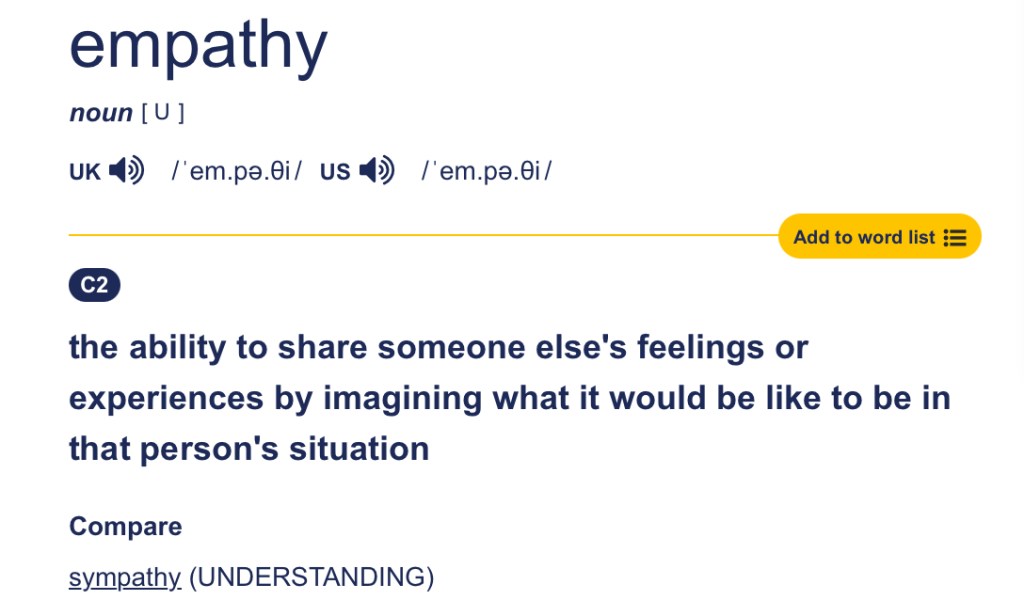
Empathy is important because it is what leads us to act in ways that build positive, healthy relationships and strong communities, which is important because those communities and relationships construct the reality of the next generation.
So how do we develop empathy and community? Through exercises in opening our minds and our emotions, from being in safe spaces with others, and by developing communities that support these ways of being and thinking.
Creativity is a muscle, it can be trained and used in every aspect of life: from problem solving at work and in relationships, to finding new solutions to boredom, sadness, and anger.
Not to mention, artistic education and exposure is gatekept from working-class communities. Though its benefits in regards to mental development have been assumed and now known in middle-to-high-class circles for centuries (at very least), still, to this day, only children living in or near to big cities potentially have access to the handful of public arts programs that there are, much less the handful of artistic organizations Canada spends millions of dollars supporting each year. It’s great that these organizations are supported but the fact is that everyone pays for them, yet they are far from accessible to everyone.
Even if these organizations sell some tickets for $10, or the schools have open auditions, this does not address the issue that children who come from lower-class districts and towns will not have had as much of an opportunity as others to explore the arts and find what peaks their interest and abilities.
So the question becomes, how do we bring the arts to young people in a way that is accessible and enticing?
The answer: fun artistic events – for young people, by young people.
The fundraising element provides motivation for the artists to sell tickets and motivation for the tickets to be bought, directly aiding the community. The multidisciplinary aspect allows young people to teach each other, ask questions, and to explore different worlds of art that they may not have even known existed.
Who doesn’t want to belong? Studies show that having a sense of belonging and community can help astronomically in almost every part of life. The goal of these showcase-fundraisers is to create a safe, supportive space for young people to feel comfortable with self-expression and imperfection.
Additionally, as we know, spending our time and energy on other people has even more benefits than spending it on ourselves, so even if it’s not the craziest show they have ever seen, audience members should feel a warm glow about supporting peers in their community as well as the cause/charity they are fundraising for.
See Sources
How these event structures help young people with ADHD and autism
Interest-based learning
- If they were interested enough to apply, they will most likely be interested enough to put their best effort into learning/improving skills and completing tasks
Clarity and reminders
- The host sends reminder messages to artists with clear, simple checklists for them to follow at various checkpoints
- Tips & deeper explanations of tasks readily available
- Flexibility & autonomy (creative freedom on how they would like to approach the task)
Extrinsic motivation
- Working as part of a team
- The cause/charity they are fundraising for
- Friends & family they sell tickets to
- Honorarium incentive
Positive reinforcement – it may never be ‘perfect’ and that’s ok! We are all growing together.
Sources
https://www.linkedin.com/pulse/empowering-potential-motivating-individuals-autism-riback-hofmann
https://raisingchildren.net.au/teens/development/adhd/managing-adhd-12-18-years
https://psychcentral.com/adhd/9-ways-for-adults-with-adhd-to-get-motivated
https://www.cadabams.org/blog/how-to-motivate-autistic-adults
 Suppart